
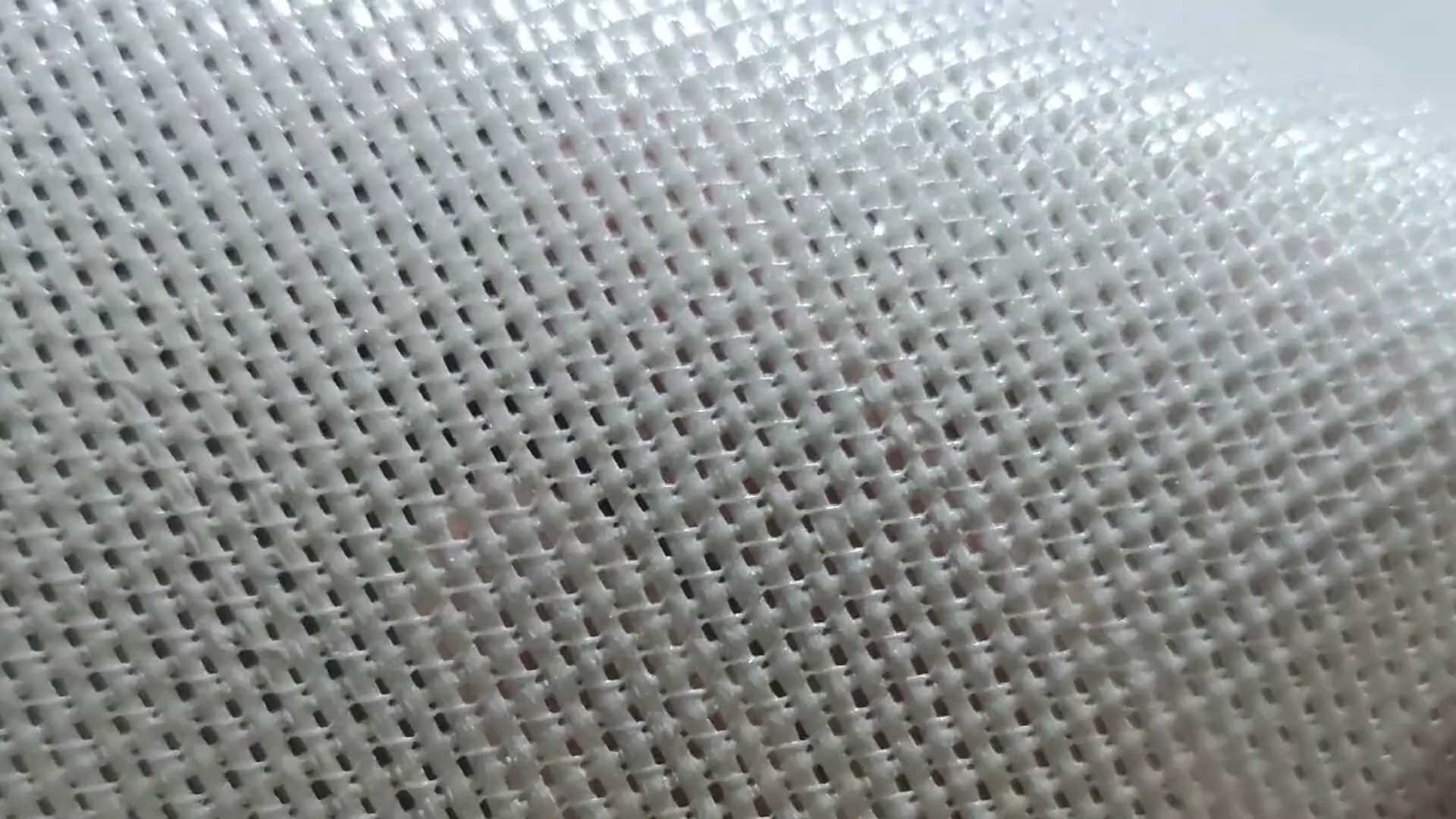
PVC printing mesh fabric
Banner Material Roll for Car Park Banners
A PVC-coated warp-knitted polyester mesh with liner options for printed banners.
- Weight
- According to customer’s request
- Width
- According to customer’s request
Product images
TECHNICAL DATASHEET
| Material | 100% Polyester |
|---|---|
| Width | According to customer’s request |
| Technics | Warp Knitted |
| Feature | Anti-Static, Blackout, Shrink-Resistant, Tear-Resistant |
| Certification | SGS, CCC, ISO 9001 |
| Yarn count | 1000DX1000D 12X12 |
| Weight | According to customer’s request |
| Flame Retardant | B1(according to DIN4102); M2(according to NFP92-501); NFPA 701-2 passed ( USA). this flame retardant only refer to raw materials itself. Nuclear Coating Fabric can’t ensure flame retardant after printing finish, please consult your ink supplier ahead to ensure that flame retardant property is meet your final program damand. |
| UV stabilizer | Anti-UV (8 grade) |
| Heavy metal | meet the guidelines2002/95/ec of the european parliament & council of 27 Jan 2003. |
| Rohs | Available |
APPLICATIONS:
Product Features
- AntistaticHelps manage electrostatic charge build-up in the fabric, giving manufacturers a material option for assemblies with specified static-control requirements.
- Flame retardant (unprinted)Fire-behaviour information is available for the unprinted material, helping print converters select the base sheet before assessing the completed graphic.
- BlockoutRestricts light passing through the fabric for roof, curtain or cover panels that need an opaque finish and greater control of the light behind the surface.
Knitted Polyester Under The PVC Surface
The documented base is warp knitted polyester with 1000D×1000D yarns. PVC covers the mesh framework while preserving the openings. Ask for the chosen finished weight and width as part of the order because these are not fixed in the listing. A labelled sample showing the coated strand pattern gives a useful reference when matching the material used for a previous banner project.
Assess Artwork On The Actual Background
A car park banner may be viewed against fencing, vehicles or open space. Those backgrounds can remain visible through the mesh and influence the appearance of the print. Review the proposed artwork on the selected material at a realistic distance, then include the planned edge and attachment arrangement in the approval sample. Requirements for flame performance should refer to the relevant printed and finished configuration.
Application requirements
Specify screen or banner dimensions, mesh openness, edge reinforcement, fixing spacing and exposure. Review tear behaviour around openings and attachment points, dimensional stability and the proposed printing or joining process. Wind loads and fixing requirements belong to the installed system and should be assessed with the supporting structure.
Finished Mesh-Banner Configurations
Specify the artwork size and finishing before printing. Choose a joining method compatible with the selected PVC or PVC-free mesh.
| Specification | Configuration |
|---|---|
| Finished Size | Width × height after hemming and joining |
| Hem Example | 50 mm reinforced perimeter |
| Eyelet Spacing Example | Approximately 500 mm around the hem |
| Eyelet Opening Example | 12 mm in a finished building-wrap configuration |
| Artwork Safe Area | Keep text and logos at least 50 mm inside hem-and-eyelet edges |
| Pole-Pocket Option | Size pockets for the support pole and keep artwork clear |
| Large-Panel Layout | Mark panel joins and print alignment on the production drawing |
| Mounting | Specify ties or tensioning cord and review the supporting structure |
Construction Details
Hem And Eyelets
Eyelets pass through the reinforced edge. Select stitching or a compatible welding process after checking the actual mesh construction.
Joined Panels
Large graphics may need several printed sections. Plan the joins before artwork output so that text and graphics align.
Material Insights 3 videos
Heavier Isn't Always Stronger: Choosing PVC Tarpaulin
Material Guide
Discuss the application.
For a banner material roll quotation, confirm the car park panel sizes, printing setup and reinforced edges.
Banner Material Roll With Knitted Reinforcement
This banner material roll uses a warp knitted polyester base with a listed 1000D×1000D yarn specification and 12×12 construction notation. PVC coats the supporting mesh while openings remain through the sheet. The polyester forms the textile framework, and the polymer surface receives the print. This is an open banner substrate rather than a continuous solid film.
Warp knitting connects yarns through loops. It differs from plain weaving, where warp and weft yarns interlace. Understanding that structure helps identify the base material when discussing a sample or replacement order. The finished coating weight and roll width are custom in the record. They should be confirmed for the supplied grade rather than inferred from yarn denier or the construction notation alone.
For car park banners, review the opening pattern against the artwork and background. Visibility of objects or light behind the material can change how a printed panel reads. Approve the result at a realistic viewing distance and include the ink and equipment used for production. If a liner is required for printing, agree it with the selected mesh and printer rather than assuming it is included with every roll.
The finished banner also needs an agreed perimeter and attachment detail. Include reinforcement and joins in the trial panel, especially where artwork spans more than one piece. The recorded flame-standard references concern the unprinted material; a required classification for the completed print needs matching evidence. The material construction does not by itself establish blackout, installation wind loading or the capacity of the supporting fence or frame.