
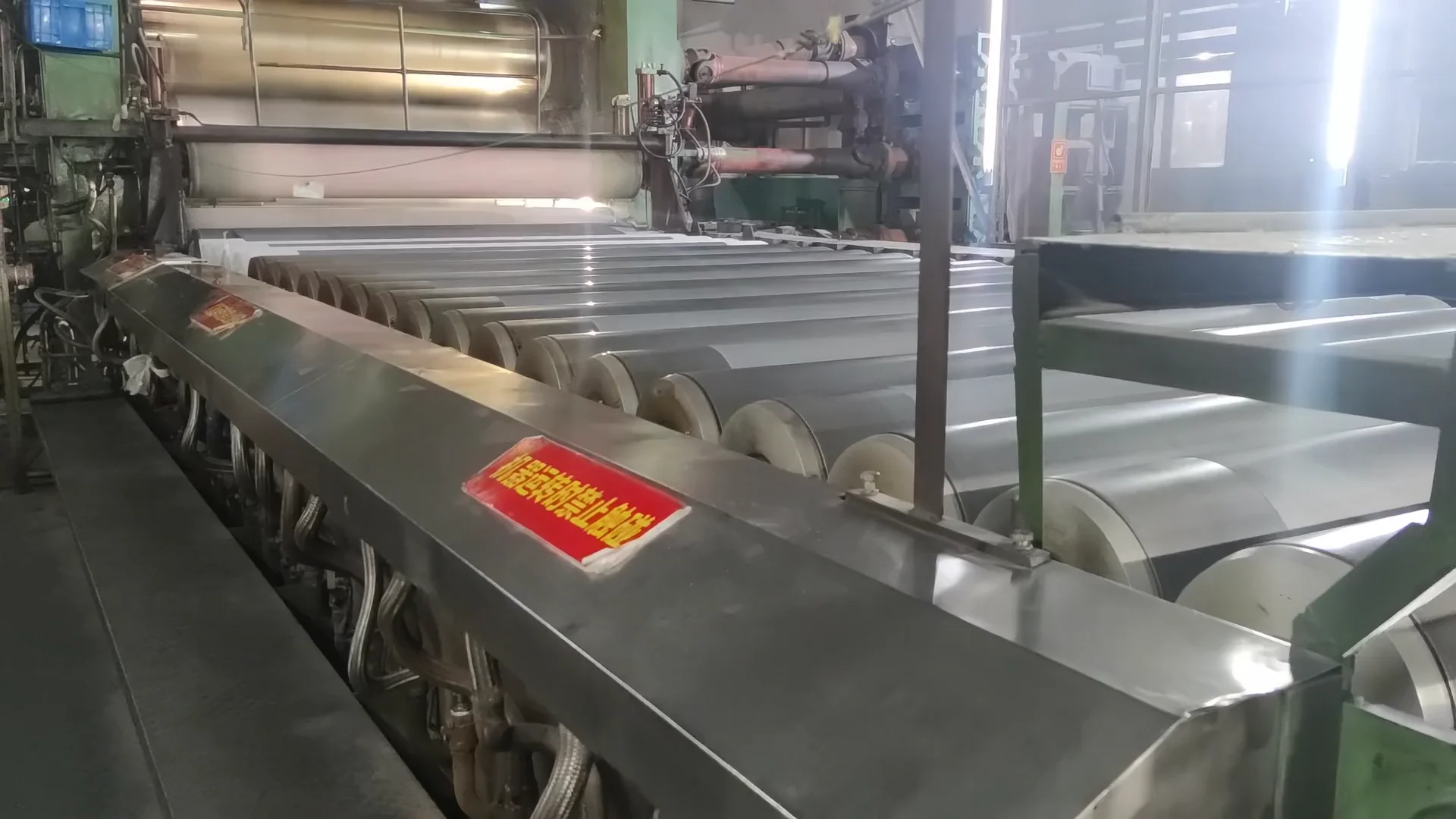
PVC film
Printed PVC Film
A single-layer PVC film with a roller-printed design for table coverings.
- Max width
- 2.5meter
- Thickness
- 0.25mm
Product images
TECHNICAL DATASHEET
| Name: | Printed pvc film |
|---|---|
| Material: | PVC single layer |
| Technology: | Roller printing |
| Thickness: | 0.25mm |
| Colour: | Customized |
| Softness: | 45-85 Shore A |
| Temperature Range: | -20-100°C |
| Max width: | 2.5meter |
| Roll length: | 100m |
| Packing: | PE foam or kraft paper |
| Certification: | EN71-2; EN71-3; Reach Standard; Anti UV; Anti Cold; Anti Static; Fire Retardent |
APPLICATIONS:
Product Features
- AntistaticHelps manage electrostatic charge build-up in the fabric, giving manufacturers a material option for assemblies with specified static-control requirements.
- Flame retardantA flame-retardant formulation for fabricators supplying projects with defined fire-behaviour requirements. Select the grade around the test method required for the finished application.
- UV resistantUV-resistant treatment addresses sunlight exposure in outdoor fabric panels, making weathering requirements part of the material choice from the start.
A Printed Film Without A Fabric Core
The material is a 0.25mm single-layer PVC film, with no supporting woven fabric specified. Its handling should be assessed in that form rather than compared only by appearance with a printed coated textile. Review a sample at the selected hardness and include the planned tablecloth edge. Gauge, softness and print design each contribute information needed to approve the material for panel production.
Pattern Repeat Guides The Cutting Layout
Roller printing creates a repeating design, so panel dimensions should be considered alongside repeat direction and registration. Request a sample large enough to show the full pattern and keep it as the reference for subsequent production. The printed result should be checked with the actual base colour and intended finishing method. Any special contact or cleaning requirement must cover the supplied film and print combination.
Application requirements
Specify table dimensions, sheet thickness, the required drape, surface finish and printed appearance. Review flexibility, surface marking, edge finishing and the response to the proposed cleaning method. Keep table-cover use separate from food-contact claims; any regulated contact requirement needs evidence for the exact formulation and intended use.
Finished Printed-Tablecloth Configurations
Choose the finished outline and drop around the table before cutting the printed film.
| Specification | Configuration |
|---|---|
| Drop Example | 20 cm overhang on each side |
| Rectangular Size | Table length + 40 cm by table width + 40 cm for that drop |
| Round Size | Table diameter + 40 cm for that drop |
| Oval Table | Specify the length, width and curved outline |
| Printed Pattern | Position the repeat and its direction on the cutting layout |
| Edge Finish | Clean-cut edge for the single-layer film |
| Parasol Opening | Locate the opening and size it around the actual pole |
| Fit Check | Confirm the drop and usable seating space with a cut sample |
Construction Details
Size From The Table
The overhang is added on both sides. An extended table should be measured in the arrangement the cloth will cover.
Cutting And Pattern
Align directional prints before cutting. Show any central opening or shaped corners on the finished outline.
Material Insights 3 videos
Heavier Isn't Always Stronger: Choosing PVC Tarpaulin
Material Guide
Discuss the application.
For printed PVC film rolls, agree the design repeat, colour sample and tablecloth panel dimensions.
Roller Printed PVC Film For Tablecloth Panels
This printed PVC film is specified as a single-layer PVC sheet with roller printing. The listed gauge is 0.25mm, with widths up to 2.5m and a roll length of 100m. Its continuous film structure has no textile reinforcement in the record. The printed surface provides the design field for a tablecloth panel while the sheet itself supplies the flexible body.
Roller printing transfers a repeating design onto the film. Pattern repeat and print registration therefore matter when a fabricator cuts several panels or aligns adjacent pieces. Confirm the actual repeat and design direction with an approved printed sample. The product record identifies printing as the manufacturing technology but does not state how the underlying film is formed, so that separate process should not be assumed.
The listed softness range is 45-85 Shore A. This measures indentation hardness and is distinct from the sheet thickness. Select the ordered formulation using a handling sample, including the way the printed film drapes over a table edge. Custom colour is listed, but the final appearance depends on the printed design and film underneath it. Compare the complete print rather than approving an isolated ink colour alone.
When producing printed tablecloth panels, plan cutting around the agreed repeat and retain a production reference showing both colour and alignment. Check the intended edge finish with the printed sheet. Cleaning and contact conditions should be stated for the supplied material and inks. The published specification does not establish food-contact approval or a particular resistance to hot objects, so those requirements need their own relevant documentation.