
How to Check PVC Tarp Fabric for Pinholes Before Cutting
Use front lighting and backlighting to inspect PVC tarp fabric before cutting, and record suspect spots for review.

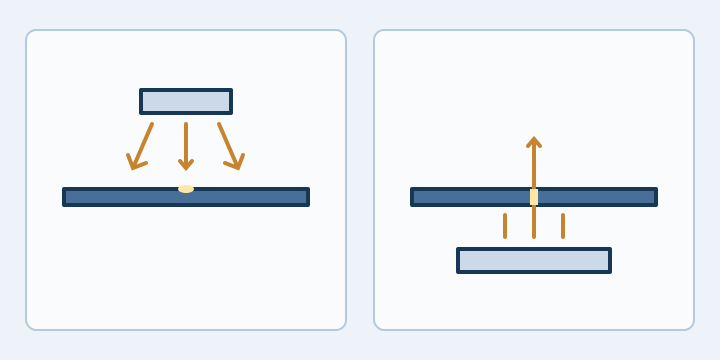
A bright spot in PVC tarp fabric is worth checking before you cut the roll. Inspect both faces under normal light, then look at the same spot with a diffuse light behind the fabric. Compare it with a nearby intact area and, if available, an approved sample of the same grade and color. A mark may be in the finish, a bright spot may be light passing through a thin area, and a pinhole may extend through the sheet. A visual check helps sort these possibilities so you can decide what to hold for review.
Start with the roll label
Record the grade, color, lot and roll ID. Check that the reference sample matches the ordered construction and finish. Coated fabric can transmit light differently from one color or construction to another. A sample from a different grade can make a normal area look unusual by comparison.
Look at the same spot in two kinds of light
- Light from the front. Lay a section flat. Inspect the face and back for scuffs, surface marks and signs of damage. Note whether you can find the same mark on both sides.
- Light from behind. Place the same section over a diffuse light source. Compare the spot with the surrounding fabric under the same lighting. Keep the fabric relaxed so pulling on it does not change what you see.
- Record the position. Measure from a named roll edge and from the end where you started unwinding. Use a removable marker next to the area, away from any surface you need to weld. Photograph the spot in both lighting conditions with a scale next to it.
Agree on what to hold before cutting
Keep a questionable section out of the cutting plan while you review it. Send the roll ID, the two photos and the measured position to the supplier. If similar marks appear at several points, record each location. That gives both sides a way to compare the affected area with the agreed sampling plan and acceptance criteria.
If the finished cover has a water-resistance requirement, confirm the specified test and acceptance limit. A visual screen identifies places to investigate. Use the agreed test to determine whether the material meets the requirement, and confirm whether it applies to the fabric, a representative seam, or the finished assembly.
Document the check for the next order
When specifying PVC tarpaulin fabric for tent panels or another solid cover, share which face will be exposed, how you plan to join the panels and which areas must stay clear of visible defects. Ask the supplier to confirm how the roll will be identified and how flagged sections will be handled. Put the agreed check in the order so receiving and production teams use the same criteria.